


Few musicians have influenced modern folk music with the profundity, poetry, and spiritual seriousness of Leonard Cohen. Greatness genuinely endures forever in the enduring power of art. The late singer-songwriter, poet, and author was posthumously honored with a golden tribute in a somber yet joyous occasion, acknowledging a legacy that continues to reverberate across generations, nations, and faiths. It is an honor not only of accomplishment but also of remembrance—an acknowledgement given in the grateful memory of a voice that never really stopped speaking.
The golden honor is a representation of regard and permanency. Gold embodies timeless beauty, wisdom, and truth—qualities that time cannot corrode. The honor felt especially appropriate for Leonard Cohen, whose words addressed love, loss, religion, and human imperfection with unparalleled honesty. His efforts were never ephemeral. Long after the last chord faded, it continued to reverberate, linger, and provoke introspection.
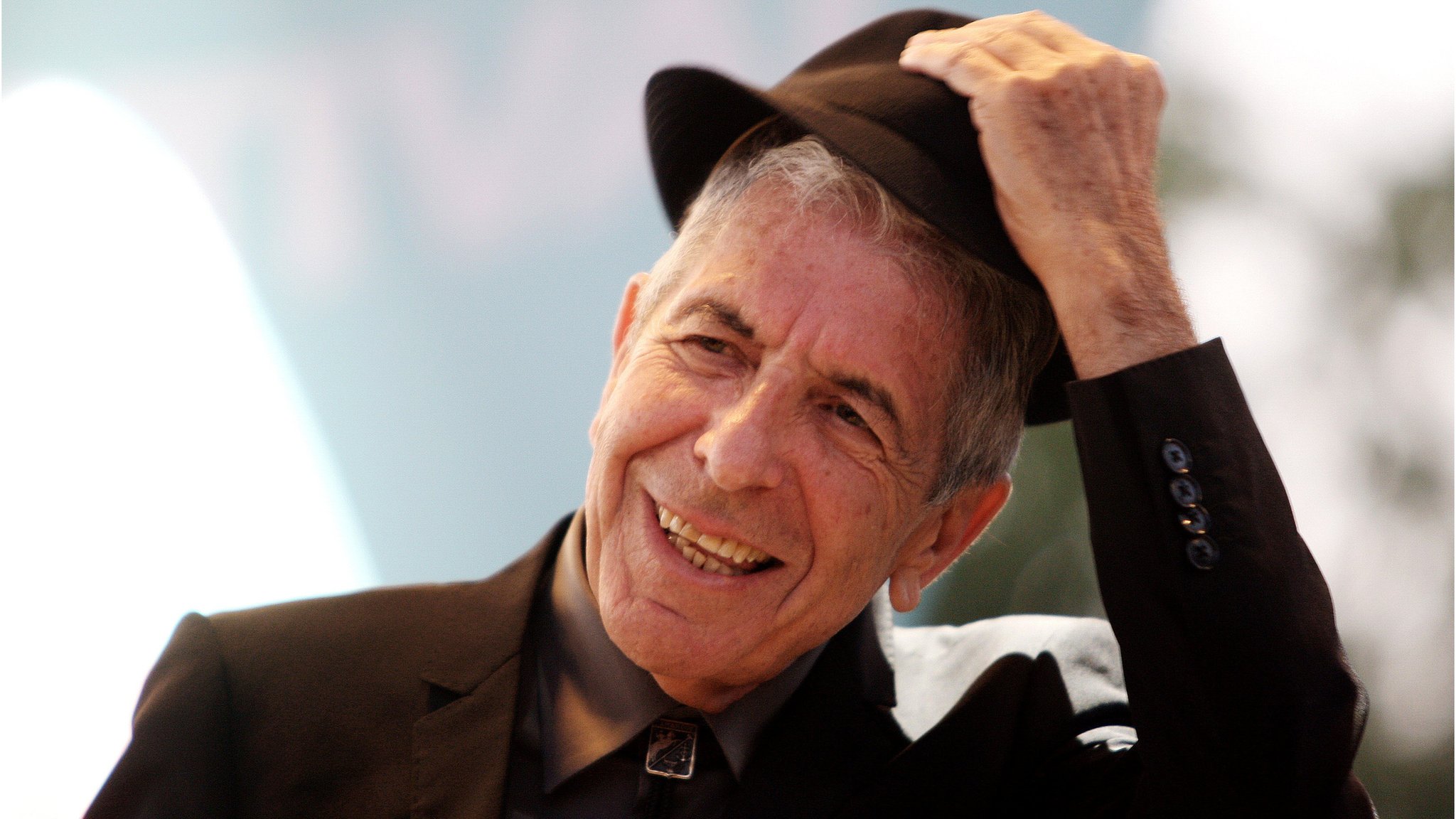
Instead of hurry, Cohen’s path was characterized by patience. In contrast to many of his peers, he entered the music industry as a fully developed poet who infused folk and popular song with literary depth. Records like I’m Your Man, Various Positions, and Songs of Leonard Cohen showed a master who revered language. Silence as much as sound formed each line, which felt chiseled rather than written. His most famous piece, “Hallelujah,” has evolved into a contemporary psalm that has been interpreted innumerable times without ever losing its meaning.
Cohen stood out for his spiritual bravery in addition to his artistic talent. Without pretense, he faced skepticism, commitment, longing, and despair. Contradiction was accepted in his music, enabling brokenness and faith to coexist. He allowed listeners to be completely human by doing this. Few artists have been able to convey so much in such a subtle way.
Cohen’s humility is also acknowledged with the golden award. Despite receiving widespread praise, he maintained his groundedness and frequently described himself as the song’s servant rather than its master. His voice, sensitive and worn, held the weight of appreciation and experience even in his final years. His last creations seemed like gentle blessings given to the earth.
This homage serves as a recall today rather than a farewell. The quiet times when a line appears out of nowhere, the solace his lyrics provide amid introspection, and the way his songs continue to point listeners in the direction of truth are all examples of Leonard Cohen’s legacy. Leonard Cohen is remembered in spirit, honored in gold, and treasured in grateful memory—a place where greatness endures forever.